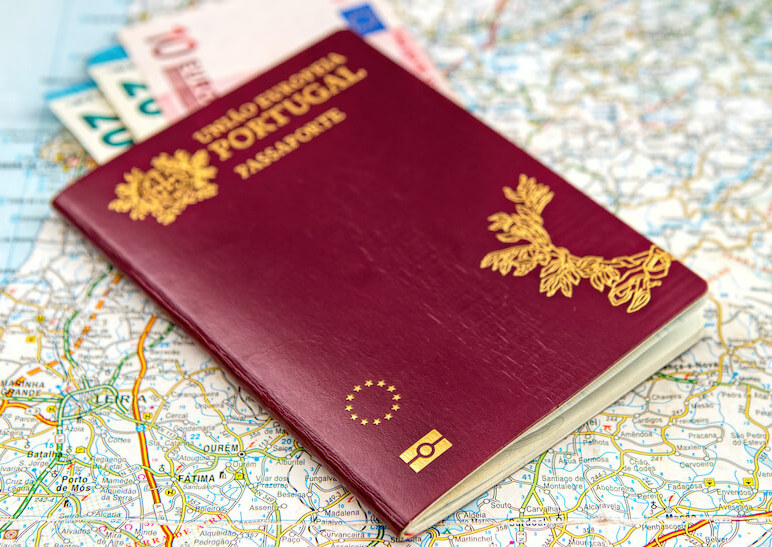

The Portugal Constitutional court halted nationality law amendments according to the new ruling. Of the seven provisions submitted for review, the Court found four to be unconstitutional!
As a result, the draft legislation must now return to Parliament for revision and a new vote. While the impact on timing is not yet clear, there are several practical factors to keep in mind:
The results of that ruling have upheld the ten-year requirement, but there is still confusion about those applicants already in the system and notably for those in the Portugal golden visa program.
Recap
The Portuguese government voted in October 2025 to change the nationality law (Law No. 37/81) principally around three main areas:
- To extend this residency period to 10 years (or seven years for citizens of other EU states and members of the Community of Portuguese Language Countries (CPLP)—Brazil, Angola, Cabo Verde, Guinea-Bissau, Equatorial Guinea, Mozambique, São Tomé and Principe, and Timor-Leste).
- Begin the residency period on the date of issuance of the first residence card, rather than from the date of the initial application, as is currently the case.
- Citizens lose their nationality upon conviction of serious crimes.
Debates around the Nationality Law and immigration policy are set to continue throughout 2026, following a year marked by legislative proposals, constitutional scrutiny, and administrative pressure on immigration services.
Reality
Expats already in the country and golden visa holders in Portugal, or those looking to move to Portugal and apply, because:
- It is currently taking the Portuguese government two to four years to process resident permits.
- The five-year residency requirement applied from the date the applicant applied for nationality.
- The new law will start the clock from when applicants receive residency.
- That means the new timeline for nationality is 2-4 years of waiting for residency, plus an additional 10 years for nationality, pushing the timescale to a possible 14 years until they receive Portuguese nationality and therefore become European.
For foreign residents, investors, and families connected to Portugal, this signals a period of ongoing legal discussion rather than immediate closure. While no final conclusions are yet in place, continued political focus may translate into further adjustments, clarifications, or implementation measures affecting eligibility, timelines, and procedures.